
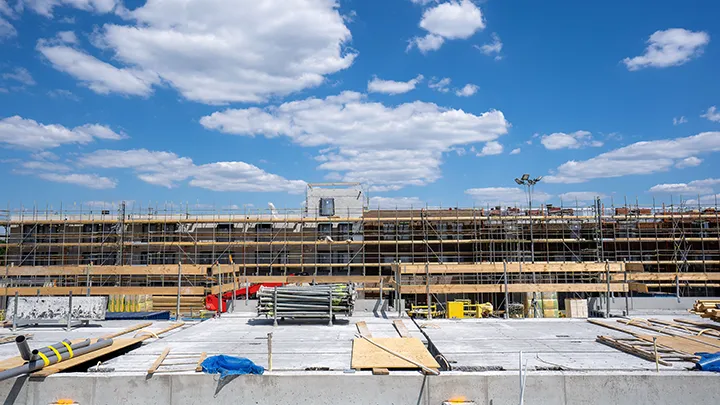
Ontario construction employers should start preparing now for important safety changes taking effect in 2027.
Updates to O. Reg. 213/91 – Construction Projects will affect two common areas of jobsite safety: protective headwear and mobile elevating work platforms (MEWPs).
While new regulations can sometimes feel like added complexity, these changes can also be viewed positively. They provide clearer expectations, improve worker protection and create more consistent training requirements across the industry.
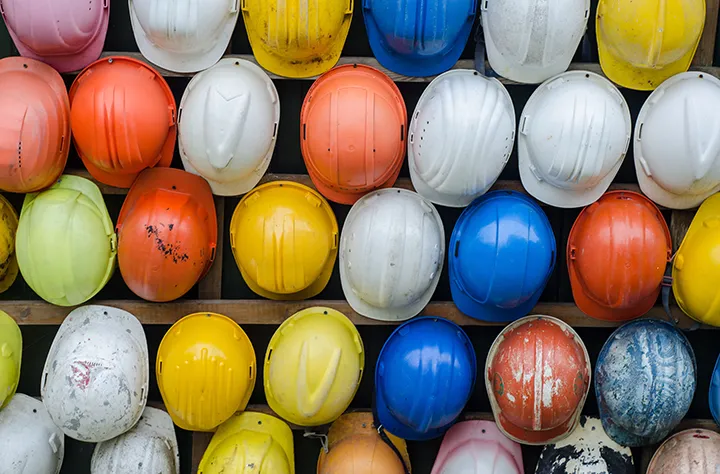
New Hard Hat Requirements – July 1, 2027
Beginning July 1, 2027, Ontario will introduce updated protective headwear requirements for construction projects.
Where workers may be exposed to side-impact hazards, their protective headwear will need to meet recognized standards for side-impact protection, including:
- CSA Z94.1 Type 2 protective headwear;
- ANSI Z89.1 Type II protective headwear; or
- equivalent protection.
This does not necessarily mean every construction worker must immediately switch to a Type 2 hard hat.
Employers will need to assess the hazards workers are exposed to and determine what level of protection is appropriate.
The regulation will also require a chin strap or other retention system where workplace conditions could cause protective headwear to become dislodged.
What Does This Mean for Construction Crews?
The goal is straightforward: improve protection against the types of head impacts that can realistically occur on construction sites.
Workers are not only exposed to objects falling from above. Trips, falls, equipment, structural components and moving materials can also create impacts from the side, front or rear.
Employers should review their current PPE program before July 2027 and determine:
- what types of hard hats are currently being used;
- where side-impact hazards exist;
- whether existing head protection meets the new requirements; and
- where chin straps or other retention systems may be necessary.
This is a good opportunity to improve PPE based on actual jobsite hazards rather than simply replacing equipment because a new rule exists.
Major Changes to Elevating Work Platform Requirements
Another major change takes effect January 1, 2027.
The current elevating work platform requirements found in sections 143 through 149 of O. Reg. 213/91 will be removed and replaced by a new standalone regulation:
O. Reg. 117/26 – Elevating Work Platforms.
The new regulation maintains many familiar requirements relating to inspections, maintenance, equipment condition, rated capacity, fall protection and safe operation.
The biggest change for many employers will be the increased focus on operator training and competency.
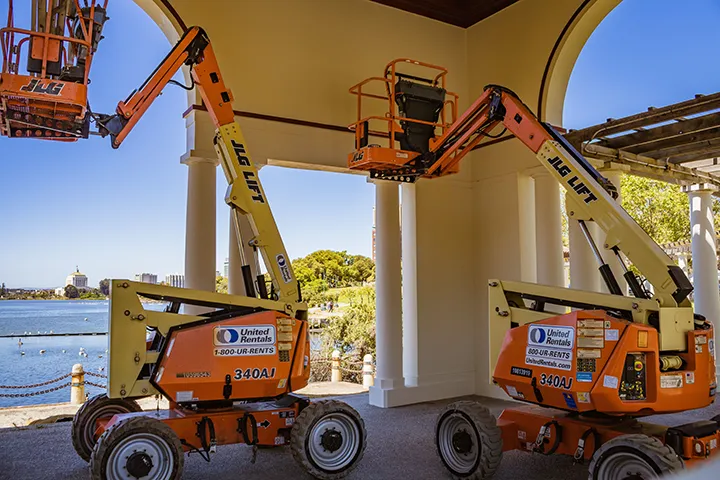
New MEWP Training Requirements
Under the new requirements, MEWP operators will need both theory and practical training appropriate to the group and type of equipment they operate.
Training will address topics such as:
- equipment stability;
- crushing and trapping hazards;
- workplace hazard assessments;
- pre-use inspections;
- fall protection;
- emergency controls;
- safe travel;
- loading and unloading;
- rescue procedures; and
- equipment malfunctions.
Workers will also need to demonstrate that they can operate the equipment competently.
This moves training beyond simply explaining the controls. Operators will be expected to understand how to recognize hazards and safely use the equipment in real workplace conditions.
MEWP Training Will Be Valid for Five Years
Beginning in 2027, qualifying MEWP operator training will have a defined five-year validity period.
Workers who completed appropriate training before January 1, 2027 will not necessarily need to immediately retrain. Existing compliant training may remain recognized until five years after its original completion date.
For employers, this makes accurate training records more important than ever.
Companies should begin reviewing:
- who currently operates MEWPs;
- when each worker completed training;
- what equipment groups and types they were trained on; and
- when refresher training will be required.
Make-and-Model Familiarization
Employers will also need to ensure workers are familiar with the specific make and model of MEWP they are operating when their original training did not cover that particular machine.
This may include reviewing:
- controls and safety features;
- manufacturer warnings;
- emergency systems;
- operating characteristics;
- the operator’s manual; and
- inspection requirements.
This is a practical improvement.
Boom lifts or scissor lifts may perform similar work, but their controls and safety systems can differ. Proper familiarization helps workers avoid having to learn an unfamiliar machine while already on the job.
Turning the Changes Into a Positive
New regulations do not have to be presented to workers as another layer of rules.
The 2027 updates can instead be framed around three simple benefits:
Better protection
Updated headwear requirements provide improved protection against realistic construction hazards.
Better training
Clearer MEWP training requirements help operators understand both the equipment and the hazards associated with using it.
Better consistency
Defined training periods and equipment familiarization make expectations clearer for employers, supervisors and workers.
The objective is not to make construction work more difficult. It is to make safe work practices more consistent.
What Should Employers Do Now?
Construction companies should begin preparing before the new requirements take effect.
Start by reviewing:
- current hard hats and PPE standards;
- areas where side-impact hazards may exist;
- situations where headwear retention may be required;
- MEWP operator training records;
- training completion dates;
- the equipment workers actually operate; and
- company procedures for equipment familiarization.
Preparing early allows employers to make changes gradually instead of reacting at the last minute.
How STC Can Help
Safety Training and Consulting Services Ltd. (STC) helps Ontario employers understand changing health and safety requirements and turn them into practical workplace procedures.
As the 2027 construction safety changes approach, STC can assist employers with reviewing training needs, PPE requirements, safety procedures and compliance gaps.
The regulations may be changing, but the goal remains the same: give workers the knowledge, equipment and support they need to do their jobs safely.