

Winter in Ontario brings more than cold temperatures. Snow, ice, freezing rain, reduced daylight and changing weather conditions can create new workplace hazards almost overnight.
Winter workplace safety in Ontario is less about reacting to storms than about deciding, before the season starts, what will change when they arrive.
For employers, winter workplace safety should not begin after the first major snowfall. Preparing early gives businesses an opportunity to identify seasonal hazards, update procedures and make sure workers have the equipment and information they need.
Under Ontario’s Occupational Health and Safety Act (OHSA), employers are required to take every precaution reasonable in the circumstances to protect workers and to provide appropriate information, instruction and supervision. These responsibilities include addressing hazards created by outdoor working conditions and winter weather.
Here are the most important winter workplace safety areas Ontario businesses should consider before winter arrives.
Prevent Slips, Trips and Falls
Snow and ice can quickly turn parking lots, walkways, loading areas, stairs and entrances into serious hazards.
Ontario identifies snow and ice as seasonal slip, trip and fall hazards that employers should assess and control.
Businesses should have a plan for:
- clearing snow promptly;
- applying salt, sand or other appropriate ice-control products;
- maintaining entrances, stairs and walkways;
- improving drainage where water may freeze;
- using appropriate mats at entrances; and
- identifying and correcting slippery areas before someone gets hurt.
Workers should also be encouraged to report icy or unsafe conditions immediately rather than assuming someone else will take care of them.
Prepare Workers for Cold Stress
Employees working outdoors or in cold environments can be exposed to cold stress, particularly during extended periods outside, strong winds or wet conditions.
The risk is not limited to construction. Delivery drivers, maintenance workers, landscapers, utility workers, warehouse employees and many others may spend part of their day exposed to winter conditions.
Employers should consider providing:
- appropriate winter clothing and personal protective equipment;
- opportunities to warm up;
- suitable work/rest arrangements during extreme conditions;
- training on recognizing cold-related hazards; and
- procedures for responding when a worker begins showing signs of cold stress.
The colder and windier the conditions become, the more important it is to monitor workers and adjust the work accordingly.
Review Winter Footwear
Proper footwear can make a significant difference during winter.
Workers who regularly travel through outdoor areas should wear footwear appropriate for the conditions and hazards of their work. This may include footwear with good traction and slip-resistant soles.
Employers should consider winter conditions when completing PPE and footwear assessments rather than relying on requirements developed for dry summer conditions.
Don’t Forget About Reduced Daylight
Winter also means shorter days.
Work that may have been performed in daylight during the summer could take place in darkness or low-light conditions during the winter.
Businesses should inspect:
- parking lots;
- walkways;
- loading areas;
- outdoor work areas;
- entrances and exits; and
- temporary work locations.
Adequate lighting can help workers identify ice, uneven surfaces, equipment, vehicles and other hazards before an incident occurs.
Prepare Vehicles and Mobile Equipment
Businesses using company vehicles or mobile equipment should also prepare for winter conditions.
Before the season begins, review:
- tires and tire condition;
- windshield wipers and washer fluid;
- lights and warning devices;
- brakes;
- heaters and defrosting systems;
- batteries; and
- emergency supplies.
Workers who drive for work should also understand that winter conditions may require slower speeds, greater following distances and additional travel time.
Production schedules and delivery expectations should never encourage workers to take unnecessary risks during severe weather.
Plan for Snow Removal
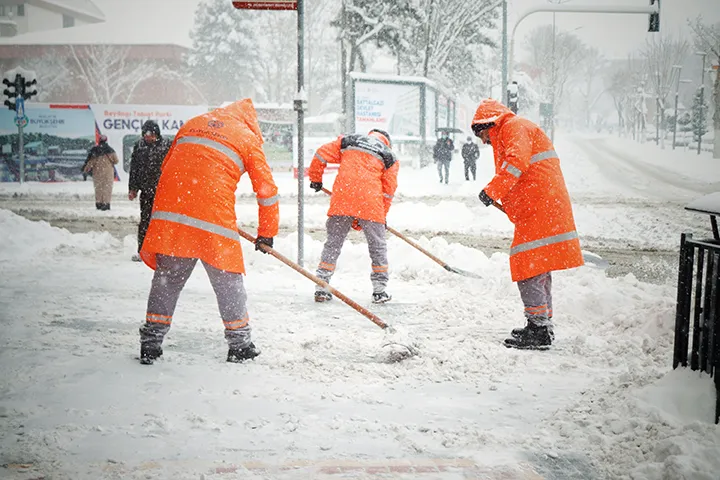
Snow removal creates hazards of its own.
Employees operating snowblowers, plows, tractors or other equipment should be properly trained and understand the limitations of the equipment they are using.
Businesses should also determine in advance who is responsible for snow and ice removal.
Waiting until a storm occurs to decide who will clear an entrance or parking lot can result in delays and unsafe conditions.
Have a Severe Weather Plan
Some winter conditions may make normal operations unsafe.
Every business should consider what will happen during:
- heavy snowfall;
- freezing rain;
- extreme cold;
- poor visibility;
- power failures; or
- dangerous driving conditions.
Supervisors should understand when work needs to be modified, delayed or stopped.
Workers should also know how the business will communicate weather-related changes.
Make Winter Workplace Safety Part of the Conversation
One of the easiest ways to improve winter workplace safety is simply to talk about it.
A short seasonal safety meeting or toolbox talk can remind workers about:
- slips and falls;
- cold-weather PPE;
- winter driving;
- snow removal;
- reporting hazards; and
- changing weather conditions.
Winter hazards become easier to control when workers know what to look for and feel comfortable reporting problems.
Prepare Now, Not After the First Storm
Winter weather is unavoidable in Ontario, but many winter workplace incidents are preventable.
Businesses that prepare early can reduce hazards before snow and ice begin creating problems.
Take the time to inspect your workplace, review winter procedures, check equipment and speak with your workers before the season changes.
How STC Can Help
Safety Training and Consulting Services Ltd. (STC) helps Ontario businesses identify workplace hazards and develop practical solutions to protect their workers.
From workplace inspections and safety procedures to training and compliance support, STC can help businesses prepare for seasonal hazards and strengthen their overall health and safety program.
A little preparation before winter can prevent a much bigger problem once the snow starts to fall.