

Working at heights remains one of the most dangerous activities across Ontario worksites. Whether in construction, industrial maintenance, roofing, utilities, or telecommunications, any job performed above ground level exposes workers to significant risk. Despite decades of improvement in safety standards, falls from heights continue to be a leading cause of traumatic injuries and fatalities in Ontario, largely due to missing or improperly used fall protection, inadequate training, and insufficient hazard controls.
At Safety Training and Consulting Services Ltd., we know that preventing falls is not just a legal obligation—it’s a moral imperative. This blog explains why Working at Heights (WAH) training is mandatory in Ontario, the risks associated with working at elevated positions, and how proper fall protection systems and certified training programs protect workers every single day.
1. Understanding the Legal Requirements for Working at Heights in Ontario
Ontario has some of the strictest fall protection and Working at Heights training requirements in Canada. These standards exist for a simple reason: falls remain one of the most common and preventable causes of workplace injury and death.
Mandatory Working at Heights Training
Under Ontario’s Occupational Health and Safety Act (OHSA) and regulations O. Reg. 213/91 (Construction Projects) and O. Reg. 297/13, workers who use fall protection on construction projects must complete a CPO-approved Working at Heights training program before using fall protection equipment.
This applies when any of the following systems are required:
- Travel restraint systems
- Fall restricting systems
- Fall arrest systems
- Safety nets
- Work belts or safety belts Ontario law also specifies the well-known “3-metre rule”, meaning training is legally required if a worker is at risk of falling 3 metres or more, or any time fall protection equipment is required by the job conditions.
Why the Law Exists
Ontario implemented standardized WAH training because falls from heights are consistently reported as a top cause of critical injuries and fatalities in the construction industry. The root causes frequently include:
- Missing or poorly maintained fall protection equipment
- Incorrect installation or use of safety systems
- Lack of safe work procedures
- Insufficient or outdated training
The province responded by introducing mandatory, standardized training to ensure all workers receive the same high-quality education on fall prevention.
2. What Workers Learn in a CPO-Approved Working at Heights Course
A proper Working at Heights training course in Ontario includes both theoretical and hands-on practical components. The structure of these courses is designed to ensure workers not only understand the principles of fall protection but can correctly use equipment in real-world conditions.
Theoretical Training: Essential Knowledge
According to Ontario’s official training standards, theoretical instruction covers:
- Legal duties under OHSA
- Worker rights and responsibilities relating to health and safety
- Recognizing fall hazards
- Understanding the hierarchy of controls
- Proper selection, use, and storage of fall protection systems
- When and how to use ladders safely
- Requirements for guardrails, barriers, and warning systems
- Emergency response and rescue planning
Ontario’s Ministry of Labour requires that all training providers meet strict standards approved by the Chief Prevention Officer (CPO), ensuring consistency, quality, and regulatory compliance across all WAH programs.
Practical Training: Skills That Save Lives
The hands-on portion of training includes:
- Correctly donning and doffing a full-body harness
- Inspecting equipment for damage or malfunction
- Maintaining 100% tie-off
- Calculating fall distances
- Setting up fall restraint and fall arrest systems
- Executing safe climbing and positioning techniques
This combination of education and practice ensures workers can confidently identify hazards and respond appropriately—not just theoretically, but in real scenarios where their lives may depend on it.
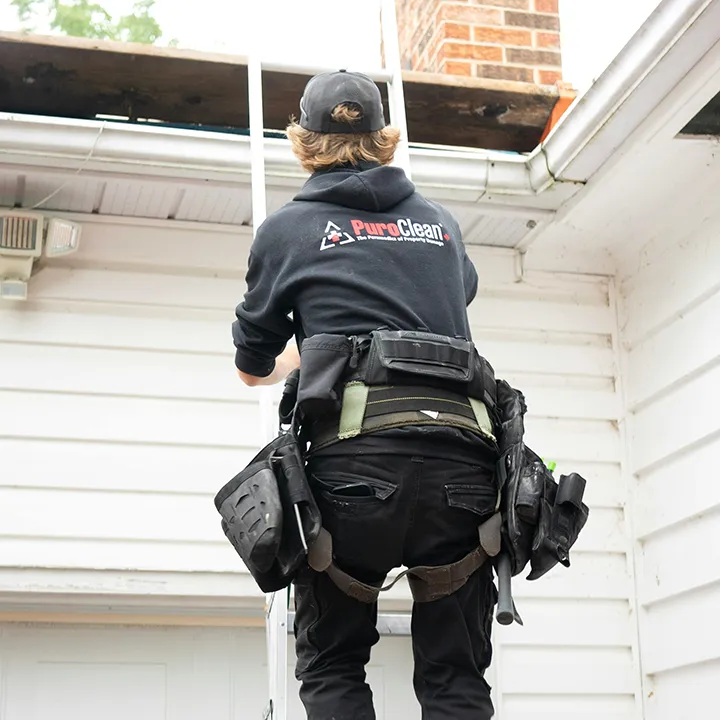
3. Why Fall Protection Systems Are Essential
Fall protection systems—whether travel restraint, fall arrest, or warning barriers—serve as the last line of defense against a potentially fatal fall. Many workplace fatalities occur because systems were missing, improperly installed, or incorrectly used.
The Leading Causes of Fall Incidents in Ontario
Industry data shows the most common factors contributing to fall-related injuries include:
- Equipment that is damaged, outdated, or not inspected
- Incorrect anchor points
- Misuse of harnesses and lanyards
- Lack of engineered fall protection systems on site
- Inadequate worker supervision
- Insufficient training at both the worker and supervisor level
Even a fall from two or three metres can cause serious injury or death if proper fall protection is not used—something many workers underestimate until it’s too late.
Site-Specific Fall Protection Training
Beyond mandatory WAH certification, Ontario requires site-specific training that covers:
- Identifying jobsite hazards
- Reviewing fall protection work plans
- Job Safety Analysis (JSA)
- Rescue procedures for suspended workers
- Equipment appropriate for the actual work environment
- Supervisor-led hazard assessments
Employers must also maintain records of all training and ensure refresher courses are completed every three years.
4. Common Work Environments Where Working at Heights Hazards Occur
Fall hazards exist in far more environments than most people realize. In Ontario, Working at Heights training is legally required for workers on construction projects, but fall protection principles apply across numerous sectors.
Typical scenarios include:
- Roofing and residential construction
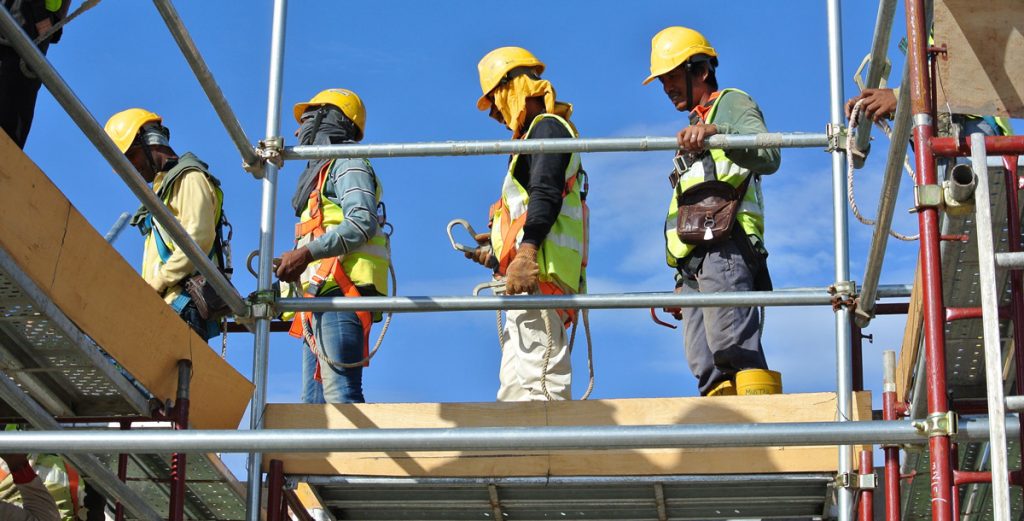
- Scaffolding and elevated platforms
- Tower, utility, and communication installations
- General contracting and framing
- Industrial maintenance on mezzanines or platforms
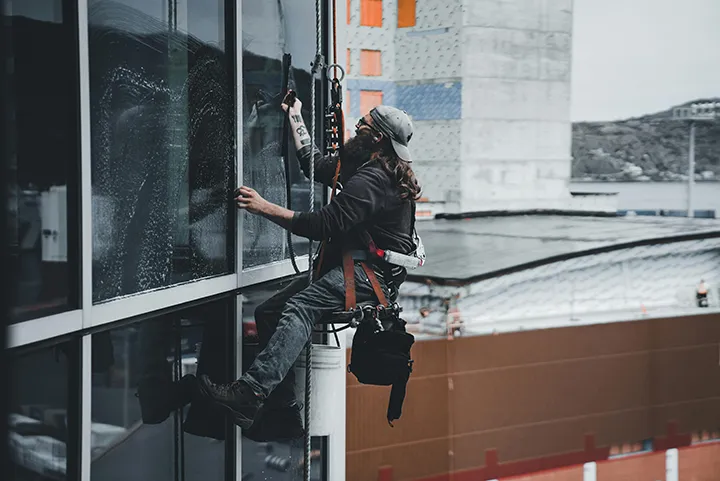
- Window cleaning or façade work
- HVAC, solar, and electrical installation
- Warehouse elevated storage tasks
- Bridge and infrastructure projects
Many injuries occur not on major construction sites but during routine tasks—changing fixtures, working from ladders, or performing quick repairs—where workers assume the job is “too small” for safety procedures.
5. The Real Cost of Falls: Human and Financial Impact
Beyond the tragic human toll, falls from heights have significant financial consequences for employers, workers, and the province as a whole.
Costs to Workers
- Severe injuries, including spinal trauma and head injuries
- Loss of income and long-term disability
- Emotional trauma and impact on family
- Reduced quality of life
- Potential for permanent impairment or death
Costs to Employers
- Lost productivity
- WSIB claims and increased premiums
- Fines for non-compliance with OHSA
- Project delays
- Reputation damage
- Legal liability for supervisors and employers
Ontario enforces harsh penalties for non-compliance with Working at Heights standards, emphasizing how seriously fall protection obligations must be taken.
6. Why Working at Heights Training Saves Lives
Proper training changes outcomes. Workers who understand how to identify hazards, use equipment correctly, and follow safe work procedures are far less likely to experience a fall incident.
Key Reasons Training Prevents Injuries
- Workers become competent in recognizing fall hazards and knowing which controls are required.
- Equipment is inspected properly, preventing failures that cause falls.
- Workers learn how to calculate fall distances, which is critical when using lanyards or self-retracting lifelines.
- Rescue procedures are taught, ensuring a suspended worker can be safely retrieved.
- Confidence increases, reducing shortcuts and unsafe practices.
- Supervisors better understand their responsibilities, ensuring a culture of safety compliance.
- Compliance with OHSA prevents legal penalties while keeping workers safe.
In short: Training is the foundation of every effective fall protection program.
7. The Role of Safety Training and Consulting Services Ltd.
As a provider committed to Ontario’s highest safety standards, Safety Training and Consulting Services Ltd. ensures workers receive top-quality instruction tailored to both regulatory requirements and real-world jobsite conditions.
We help employers and workers:
- Stay compliant with OHSA and CPO requirements
- Understand and apply the hierarchy of controls
- Gain practical experience with fall protection equipment
- Complete required refresher training
- Meet site-specific hazard assessment obligations
- Implement effective rescue planning
- Create a culture of accountability and safety excellence
Our certified instructors teach using hands-on demonstrations, real fall protection systems, and industry best practices so every worker gains practical competence, not just theoretical knowledge.
8. Conclusion: Working at Heights Training Is Not Optional—It’s Essential
Working at heights will always involve risk—but with the right training, equipment, and safety culture, that risk can be controlled and minimized. Ontario’s mandatory Working at Heights requirements exist because the evidence is clear: standardized training, proper fall protection equipment, and diligent hazard identification save lives.
Falls are preventable. Injuries are preventable. Fatalities are preventable.
That prevention starts with:
- Proper training
- Proper supervision
- Proper fall protection systems
- Regular refreshers and inspections
At Safety Training and Consulting Services Ltd., we are dedicated to equipping every worker with the knowledge and skills they need to work safely and confidently at elevation.
For WAH certification, refresher training, or onsite safety consultation, contact us today. Your workers’ lives and your company’s future depend on it.